

Table of Contents
The world of modern art is a very complex blend of styles, movements, and philosophies. Two of the most fascinating and visually striking art movements are Pop Art and Surrealism. While both movements created revolutionary works of art, they each approached reality, culture, and imagination from vastly different angles.
So far, we have covered familiar art debates: pop art vs op art, as well as pop art vs contemporary art, and of course the classic pop art vs abstract expressionism debate.
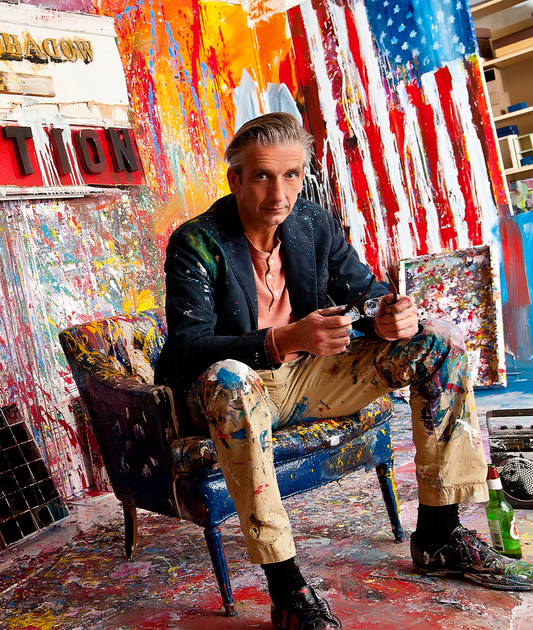
The time has come to now discuss the differences and similarities between Pop Art and Surrealism, along with a special look at well known pop art artist Steve Penley, whose work draws influence from Pop Art.
Pop Art: Celebrating the Everyday
Emerging in the 1950s, Pop Art was a bold reaction against the seriousness and abstraction of previous art movements. Led by figures like Andy Warhol and Roy Lichtenstein, Pop Art turned the ordinary into extraordinary. It embraced images from popular culture—advertisements, celebrities, comic strips, and even consumer products.
The movement's defining trait was its accessibility and focus on the everyday objects that populated modern life.
One of the most notable contemporary artists influenced by Pop Art is Steve Penley. Known for his vibrant, larger-than-life portraits of iconic American figures, Penley channels the energy of Pop Art to create works that celebrate history and culture. His bold use of color and dramatic brushstrokes evoke the spirit of Pop Art, while his subject matter often references historical and political figures, bringing them into the modern pop culture conversation. You can explore more of Penley’s work on Penley Art Co.
Surrealism: The Art of Dreams
In contrast to the bold, commercial world of Pop Art, Surrealism took the viewer on a journey into the subconscious. Led by artists like Salvador Dalí, René Magritte, and Max Ernst, Surrealism sought to explore the irrational, the dreamlike, and the fantastical. The movement was born in the early 1920s as a way to express the unconscious mind, often through unexpected combinations and juxtapositions of familiar objects.
Surrealist works are often filled with strange landscapes and distorted realities. They create a sense of mystery and encourage the viewer to step into the dream world of the artist. For example, Dalí’s The Persistence of Memory challenges the concept of time with its famous melting clocks, while Magritte’s The Son of Man obscures the face of the subject with a floating apple, prompting questions about identity and perception.
Pop Art vs Surrealism: Key Differences
While both movements were groundbreaking in their own right, the core difference lies in how they engage with reality and imagination. Pop Art is rooted in culture, consumerism, and the observable world, often turning everyday objects into art. It focuses on the visible and tangible, elevating mass-produced items into a higher form of cultural commentary.
On the other hand, Surrealism ventures into the realm of dreams, unconscious thoughts, and fantasy. Its aim is to break free from the logical constraints of reality, offering a glimpse into the artist’s inner mind. Surrealist works often have a mysterious, otherworldly quality, inviting the viewer to interpret meaning beyond what is immediately visible.
The TLDR: Where Pop Meets Surrealism in 2026
The influence of Pop Art and Surrealism extends far beyond their original eras. In the contemporary world, artists like Steve Penley continue to draw inspiration from Pop Art’s use of bold imagery and cultural symbols. Meanwhile, the surrealistic impulse to challenge reality is still alive in art, film, and even advertising.
While Penley’s work might not carry the dreamlike quality of Surrealism, his use of recognizable imagery and pop culture references creates a bridge between the two movements.
Pop Art vs. Surrealism: Commonly Asked Questions We Often Hear
1. What is the fundamental difference between Pop Art and Surrealism?
The core difference lies in their source of inspiration:
-
Pop Art is rooted in the external world—it focuses on popular culture, consumerism, and everyday tangible objects (like soup cans or celebrities).
-
Surrealism is rooted in the internal world—it ventures into the subconscious, exploring dreams, fantasies, and the irrational.
2. When did these movements emerge?
-
Surrealism was born in the early 1920s as a way to express the unconscious mind.
-
Pop Art emerged later, in the 1950s, as a bold reaction against the seriousness and abstraction of previous art styles.
3. Who are the leading artists associated with each movement?
-
Pop Art: Figures like Andy Warhol and Roy Lichtenstein are the most recognizable icons.
-
Surrealism: It was led by artists such as Salvador Dalí, René Magritte, and Max Ernst.
4. What does "The Art of Dreams" mean in Surrealism?
Surrealism seeks to break free from the logical constraints of reality. Artists use strange landscapes, distorted figures, and "unexpected juxtapositions" (placing two things together that don't belong) to create a sense of mystery and challenge the viewer’s perception—much like the experience of a dream.
5. How does Pop Art turn the "ordinary into the extraordinary"?
Pop Art takes mundane items from advertisements, comic strips, and grocery store aisles and elevates them to the status of "fine art." By using bold colors and repetition, it forces us to look at the disposable world around us through a lens of artistic contemplation and cultural commentary.
6. How does Steve Penley’s work fit into this conversation?
Steve Penley is a contemporary artist heavily influenced by Pop Art. While his work doesn't typically feature the dreamlike distortions of Surrealism, he uses the vibrant energy, bold colors, and iconic cultural references (like U.S. Presidents and historical figures) that define the Pop Art style. He acts as a bridge between historical subjects and modern pop culture.
7. Are these movements still relevant today?
Yes. In 2025, both styles continue to shape our visual world. Pop Art’s influence is seen in modern branding and street art, while the surrealist impulse to challenge reality is a staple in contemporary film, digital art, and even advertising.
8. Which style should I choose for my home?
It depends on the mood you want to create:
-
Choose Pop Art (or a Penley original) if you want a space that feels vibrant, energetic, and culturally connected.
-
Choose Surrealism if you prefer a space that is meditative, mysterious, and prompts deep thinking or conversation about the subconscious.
Quick Comparison Table
| Feature | Pop Art | Surrealism |
| Origin | 1950s | 1920s |
| Main Subject | Consumer products, celebrities | Dreams, the subconscious |
| Visual Style | Bold, bright, commercial | Strange, distorted, mysterious |
| Core Goal | Celebrate/Critique mass culture | Explore the irrational mind |