
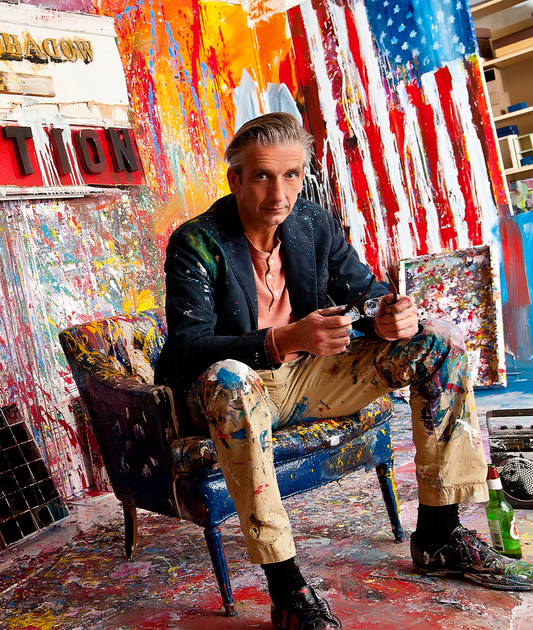

Pop art is one of the most iconic and revolutionary art movements of the 20th century. Known for its bold colors, use of mass media imagery, and a celebration (and critique) of consumer culture, Pop Art blurred the lines between “high” art and “low” culture. But what is Pop Art really, and why does it continue to influence design, advertising, and visual culture today?
In this awesome pop art guide, we’ll check out the origins, key artists, techniques, and enduring legacy of Pop Art. Whether you're a casual enthusiast, art student, or collector, this article will give you a clear understanding of what Pop Art is and why it matters.
So, What Exactly Is Pop Art?
Pop Art is an art movement that emerged in the 1950s and 1960s in Britain and the United States. It drew inspiration from popular culture—advertising, comic books, celebrities, product packaging—and used visual techniques borrowed from mass media.
Unlike previous art movements that often sought emotional depth or abstraction (like Expressionism or Cubism), Pop Art embraced familiar imagery from everyday life. Artists used bright colors, bold lines, repetition, and irony to reflect—and sometimes critique—the rise of consumerism and mass production.
Core Definition of Pop Art:
Pop Art is a visual art movement that uses imagery and themes from popular and commercial culture, often with irony or satire, to challenge traditional art conventions.
Based on the themes of the Penley Art Co. blog, here are four new sections written with your specified headers to expand on the history and characteristics of Pop Art.
Why Is It Called Pop Art?
The term "Pop Art" was first coined in the mid-1950s by British art critic Lawrence Alloway to describe the "popular art" being produced by the Independent Group in London. It wasn't just a catchy name; it was a manifesto.
By shortening "popular" to "Pop," the movement signaled a shift away from the academic, "high-brow" traditions of the past. Instead of focusing on the elite or the abstract, this new wave of creators looked toward the common experiences of the masses—television, movies, and the grocery store aisles.
It was a name that defined and captured the "explosive" nature of the imagery and its deep roots in the pulse of modern society.
What Defines Pop Art?
At its core, Pop Art is defined by the removal of the barrier between "high art" and "low culture." It is characterized by a fascination with the mundane and the mass-produced. Visually, you can identify what Pop Art is by its use of splashy, saturated primary colors and techniques borrowed from commercial printing, such as Ben-Day dots and silkscreening.
The movement often employs "appropriation," where artists take existing images—like a soup can label or a celebrity's headshot—and recontextualize them. By placing these everyday objects in a gallery setting, Pop Art forces the viewer to look at the "disposable" world around them as something worthy of artistic contemplation.
What Is Unique About Pop Art?
What truly sets Pop Art apart from other movements like Impressionism or Surrealism is its embrace of "mechanical" detachment. While earlier movements emphasized the "hand of the artist" and emotional expression, Pop artists like Andy Warhol sought to make their work look as if it were produced by a machine.
This irony is a hallmark of the style; it celebrates consumer culture while simultaneously offering a sharp critique of its repetitive, soul-crushing nature. It is perhaps the first major movement to use humor and satire as its primary tools, making it one of the most accessible and recognizable genres in art history.
What Are the 7 Styles of Pop Art?
While Pop Art is often viewed as a single aesthetic, it actually encompasses several distinct sub-styles and techniques that vary by artist and region:
-
Comic Book Style: Championed by Roy Lichtenstein, this style uses thick outlines, bold colors, and Ben-Day dots to mimic the look of printed comic strips.
-
Silkscreen Printing: Popularized by Andy Warhol, this allows for the mass-repetition of images, emphasizing the "factory-made" feel of art.
-
Collage and Multimedia: Seen in the works of Richard Hamilton, this involves layering cutouts from magazines and advertisements to create a new narrative.
-
Soft Sculpture: Claes Oldenburg transformed everyday hard objects—like typewriters or hamburgers—into giant, sagging fabric sculptures.
-
Hard-Edge Painting: Artists like Patrick Caulfield used flat, precise areas of color to create simplified, graphic representations of interior scenes.
-
Street/Graffiti Pop: Later artists like Keith Haring merged Pop sensibilities with street art, using simple, repetitive symbols to communicate social messages.
-
Neo-Pop: A modern evolution of the movement (seen in artists like Jeff Koons) that uses high-end materials to recreate kitsch objects, like balloon animals, on a monumental scale.
The Fascinating Origins of Pop Art
Where and When Did Pop Art Begin?
Pop Art originated in post-war Britain in the mid-1950s, largely as a reaction to abstract expressionism and the growing influence of American culture. It gained mainstream traction in the United States in the early 1960s, where it became a dominant art movement.
Key Influences:
-
Mass media and advertising
-
Hollywood and celebrity culture
-
Comic books and graphic design
-
Consumer goods and branding (e.g., Campbell’s Soup, Coca-Cola)
Key Pop Art Artists You Should Know
Here are some of the most famous pop artists in American history:
1. Andy Warhol (1928–1987)
-
Famous works: Campbell’s Soup Cans, Marilyn Diptych, Brillo Boxes
-
Known for screen printing and exploring fame, repetition, and consumerism.
2. Roy Lichtenstein (1923–1997)
-
Famous works: Whaam!, Drowning Girl
-
Iconic for using comic-strip style, Ben-Day dots, and dramatic themes.
3. Richard Hamilton (1922–2011)
-
Often called the father of Pop Art
-
Famous work: Just what is it that makes today’s homes so different, so appealing?
4. Claes Oldenburg (1929–2022)
-
Known for oversized sculptures of everyday objects (e.g., Giant Soft Hamburger).
5. Keith Haring (1958–1990)
-
Though more associated with street art and activism, his style echoed Pop Art's accessibility and use of simple, repeated forms.
Pop Art Techniques and Styles
Common Pop Art Techniques:
-
Silkscreen printing (especially by Warhol)
-
Ben-Day dots (used by Lichtenstein to mimic comic book printing)
-
Collage and photo-montage
-
Bold outlines and flat areas of color
-
Repetition and mass production aesthetics
Pop Art intentionally mimicked the look and feel of commercial graphics, breaking away from traditional brush techniques.
Themes and Messages in Pop Art
Pop Art is often misunderstood as purely celebratory of popular culture. In reality, many artists used its tools to critique and question the very culture they depicted.
Common Themes:
-
Consumerism and materialism
-
Celebrity worship
-
Mass media manipulation
-
Repetition and loss of individuality
-
Irony and parody
For example, Warhol’s repeated images of Marilyn Monroe both immortalized and questioned the commodification of fame.
The Legacy of Pop Art Today
Pop Art continues to shape modern art, fashion, advertising, and graphic design. From streetwear brands using Warhol prints to ad campaigns echoing Lichtenstein’s comic style, the influence is everywhere.
Pop Art Lives On In:
-
Street art and graffiti
-
Graphic design and branding
-
Fashion collaborations
-
Music videos and album covers
-
Social media aesthetics
Even today, Pop Art’s use of irony and mass media imagery feels strikingly relevant in the age of influencers and viral content.
Why Is Pop Art Still Important?
Pop Art opened the door for future generations of artists to question what art could be. It blurred the boundaries between “art” and “advertising,” “original” and “mass-produced,” and “high culture” and “low culture.”
By challenging elitist art norms and embracing the visual language of the people, Pop Art made art more accessible—and more provocative.
Is Pop Art still popular today?
Yes. Pop Art continues to influence contemporary artists and designers. Its bold visual language is especially popular in digital media and streetwear.
What is the purpose of Pop Art?
Pop Art aims to reflect and critique modern consumer culture using imagery from advertising, comics, and media.
Where can I see Pop Art?
Major museums such as MoMA (New York), Tate Modern (London), and The Andy Warhol Museum (Pittsburgh) house iconic Pop Art collections.
Pop Art changed the art world forever by redefining what art could be—and who it could be for. Its fearless embrace of everyday imagery, mass culture, and irony made it a movement that was not just of its time, but ahead of it.
Whether you admire its bold aesthetics or resonate with its cultural commentary, understanding Pop Art gives you deeper insight into the visual culture that surrounds us today.
What is the fundamental difference between Pop Art and Op Art? The biggest difference lies in their subject matter and intention. Pop Art is representational; it uses highly recognizable images from everyday life—like celebrities, comic strips, and consumer goods—to comment on mass culture and evoke an emotional or nostalgic response. Op Art (Optical Art) is entirely abstract; it uses geometric shapes, lines, and patterns to create visual illusions that trick the eye and stimulate the senses, with no underlying story or cultural critique.
Do Pop Art and Op Art share any similarities? Yes, despite looking completely different, they share a few distinct similarities:
-
The Era: Both movements gained massive international popularity during the 1960s.
-
The Rebellion: Both were reactions against the dominant art style of the time (Abstract Expressionism), which focused heavily on deep, personal emotion and messy, visible brushstrokes. Pop and Op artists both favored clean, precise, and emotionally detached execution.
-
Immediate Impact: Neither style requires a deep understanding of art history to appreciate. They both rely on a bold, instant visual punch that grabs the viewer's attention the second they look at the canvas.
-
Commercial Influence: Both movements heavily influenced 1960s fashion, graphic design, and advertising.
How do their color palettes compare? Pop Art is famous for its bright, saturated, and often primary colors (reds, yellows, blues) designed to mimic the flashy look of commercial advertising and comic books. Op Art, on the other hand, frequently relies on stark black-and-white contrasts. When Op Art does use color, the palettes are usually highly restricted and chosen specifically for how the colors clash to create a vibrating optical effect, rather than for aesthetic beauty.
Which movement is considered more abstract? Op Art is strictly abstract. You will never see a face, an apple, or a recognizable object in a traditional Op Art piece—it is purely an exploration of geometry, math, and visual perception. Pop Art is the exact opposite; it is highly representational and relies entirely on the viewer recognizing the specific object or person being depicted.
How do viewers react differently to Pop Art versus Op Art? Because of their different approaches, they trigger completely different reactions from viewers.
-
Pop Art Reaction: "Oh wow, I know that!" It triggers recognition, nostalgia, humor, or irony based on the viewer's relationship with the cultural icon on the canvas.
-
Op Art Reaction: "Whoa, is this thing moving?" It triggers a physical and sensory reaction. The high-contrast patterns often make viewers feel dizzy, or create the illusion that the flat canvas is expanding, warping, or flashing.