

Table of Contents
- Pop Art: Bright, Bold, and Mass-Market Inspired
- Contemporary Art: The Art of Now
- Visual Style and Medium: Pop vs Contemporary
- Key Artists to Know
- Themes and Messages: What Are They Really Saying?
- Audience and Reception: Who's Watching and Why?
- Legacy and Influence: The Past in the Present
- Frequently Asked Questions: Pop Art vs Contemporary Art
- Our Final Thoughts: Pop or Contemporary — Which Speaks to You?
Art isn’t just something we look at — it’s a reflection of culture, identity, and the world we live in. And when it comes to modern visual art, few topics spark as much curiosity as the difference between Pop Art vs Contemporary Art.
From bright comic book imagery to thought-provoking installations, these movements capture the ever-changing spirit of creativity — but in dramatically different ways!
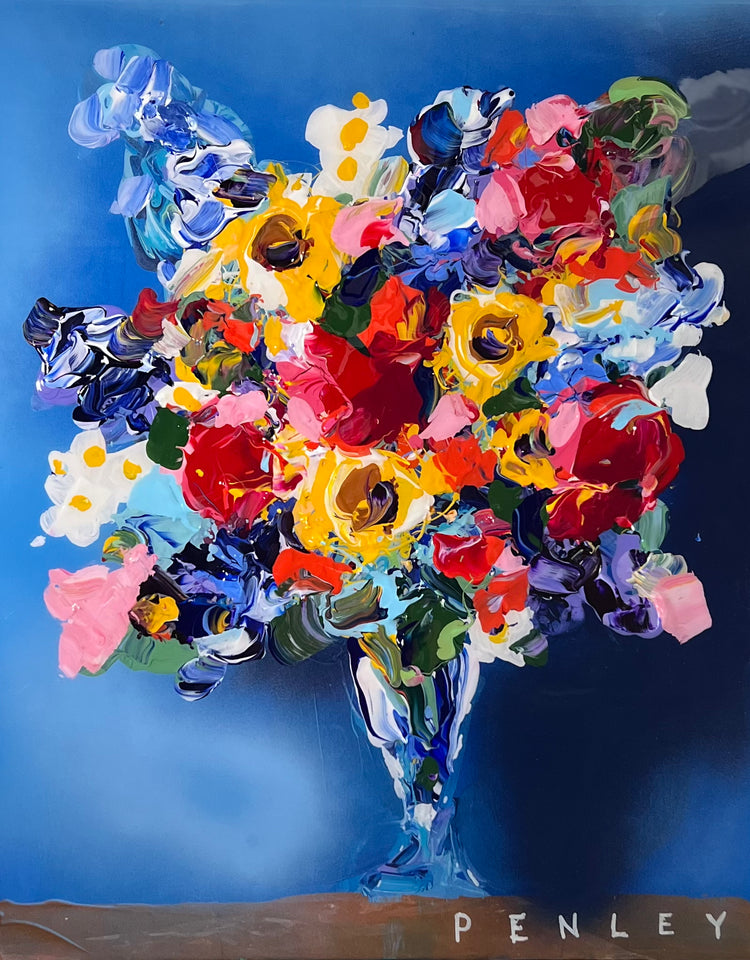
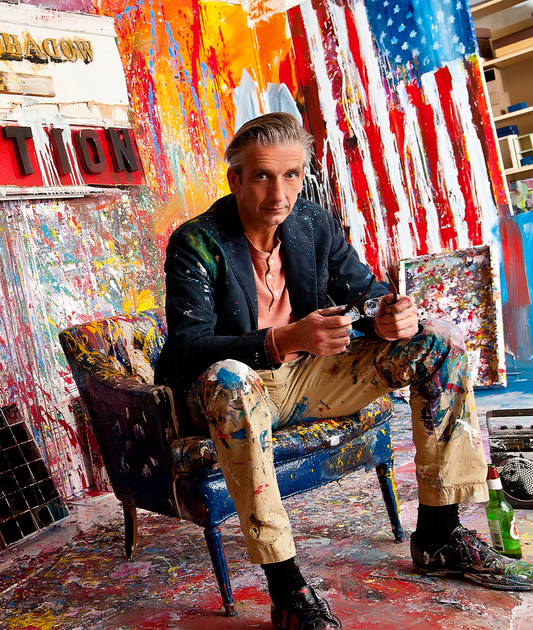
In this post, we’ll break down the origins, styles, key artists (including the bold work of famous pop artist Steve Penley), and the cultural impact of each movement. Whether you're an art collector, museum-goer, or just wondering what separates Warhol from Ai Weiwei, this is your guide.
Pop Art: Bright, Bold, and Mass-Market Inspired
Pop Art emerged in the 1950s and 60s, mostly in the UK and the United States, as a cheeky response to the seriousness of abstract expressionism. Artists began turning everyday imagery — think soup cans, movie stars, comic strips — into fine art. It was a vibrant, often ironic celebration of consumer culture, fame, and mass media.
Pop Art blurred the line between “high” and “low” art, taking inspiration from billboards, advertising, and supermarket shelves. It was colorful, bold, and instantly recognizable.
Contemporary Art: The Art of Now
Contemporary Art refers to art created from the 1970s to today. Unlike Pop Art, which has a distinct visual style, Contemporary Art is an umbrella term for a wide variety of practices — from hyperrealist paintings and digital sculptures to video installations and performance pieces.
What makes Contemporary Art unique is its engagement with current issues. Themes like identity, technology, climate change, politics, and globalism are often at the forefront. It’s less about a specific look, and more about a dialogue with the world around us.
Visual Style and Medium: Pop vs Contemporary
Pop Art
-
Flat colors, bold lines
-
Repetition and commercial imagery
-
Mediums: screen printing, collage, painting, mixed media
-
Familiar faces and products — Marilyn Monroe, Coca-Cola, comic book panels
Contemporary Art
-
Boundless variety: digital art, sculpture, video, sound, performance
-
Less about technique, more about concept
-
Encourages interpretation and emotional or intellectual reaction
Key Artists to Know

Pop Art Icons:
-
Andy Warhol – The king of Pop Art, known for his silk-screen portraits of celebrities and consumer products. Probably the most famous pop artist.
-
Roy Lichtenstein – Famous for his comic-book-style paintings like Whaam! and Drowning Girl.
-
Steve Penley – An American artist known for blending patriotic themes with the bold colors and stylistic flair of Pop Art. His iconic portraits of U.S. presidents and historical figures bring a contemporary edge to classic Americana art.
-
Claes Oldenburg – Master of oversized public sculptures, like giant hamburgers and typewriter erasers.
-
Richard Hamilton – One of the UK’s Pop pioneers, credited with defining the movement in Europe.
Contemporary Art Visionaries:
-
Yayoi Kusama – Known for her polka dots, infinity rooms, and immersive installations.
-
Jeff Koons – Blurs the line between art and kitsch with reflective balloon sculptures and celebrity culture themes.
-
Kara Walker – Uses silhouette cutouts to confront racial and historical narratives.
-
Ai Weiwei – A bold voice in political and humanitarian issues, using art as protest.
-
Damien Hirst – Famous for controversial works involving animals, diamonds, and death — a provocateur of the modern art world.
Themes and Messages: What Are They Really Saying?
Pop Art Themes:
-
Consumer Culture: Pop Art often celebrated or critiqued materialism, reflecting post-war prosperity and the rise of advertising.
-
Mass Media: The movement embraced and parodied television, magazines, comic books, and Hollywood.
-
Celebrity Obsession: Icons like Marilyn Monroe and Elvis Presley were repeatedly portrayed to explore fame and identity.
-
Irony and Humor: Pop Art’s tone was often playful, using satire to challenge the seriousness of the art world.
Contemporary Art Themes:
-
Social Justice: Many contemporary artists tackle race, gender, inequality, and human rights.
-
Technology and Digital Culture: AI art, NFTs, and digital installations are common in contemporary spaces.
-
Environmental Concerns: Climate change, sustainability, and nature are frequent subjects.
-
Globalization and Identity: Artists from diverse backgrounds use their work to explore personal and collective identity in a connected world.
Audience and Reception: Who's Watching and Why?
Pop Art:
Because of its instantly recognizable imagery and bright aesthetics, Pop Art has broad appeal. It bridges the gap between “elite” and “popular” culture, making it accessible and even commercially viable. You’ll find Pop Art in homes, cafes, galleries, and fashion.
Contemporary Art:
Reactions to Contemporary Art are often mixed. Some people find it deeply meaningful; others find it confusing or even alienating. But that’s part of the point — contemporary artists often want to provoke thought and debate. This art form invites you to ask questions, not always to find answers!
Legacy and Influence: The Past in the Present
Pop Art didn’t just influence Contemporary Art — it helped shape it. By breaking down barriers between high art and pop culture, Pop Art opened the door for future artists to experiment with unconventional materials, ideas, and subjects.
Many contemporary artists still borrow the Pop aesthetic (Steve Penley is a great example), while others respond to it or move beyond it entirely. The legacy of Pop Art lives on in street art, commercial design, digital media, and even meme culture. Meanwhile, Contemporary Art continues to evolve, pulling in new technologies and global perspectives at lightning speed.
Our Final Thoughts: Pop or Contemporary — Which Speaks to You?
At their core, both Pop Art and Contemporary Art are mirrors of their time. Pop Art gave us a glossy, colorful reflection of a mass-consumption society. Contemporary Art gives us a complex, often raw exploration of the modern world and its many challenges.
They’re different in style, message, and intent — but equally vital to the ongoing story of visual art.
So, which style resonates with you more? Do you vibe with the cheeky charisma of Pop Art or the depth and experimentation of Contemporary Art? Let us know in the comments — and the next time you're in a gallery, take a moment to consider not just what you're looking at, but why it was created.
Frequently Asked Questions: Pop Art vs Contemporary Art
What is the main difference between pop art vs contemporary art?The main difference lies in their timeline and focus. Pop Art is a specific movement that began in the 1950s and 60s, focusing on consumerism, mass media, and popular culture using bold, recognizable imagery. Contemporary Art is a broader umbrella term that refers to any art created from the 1970s to the present day, and it encompasses a vast variety of mediums, styles, and complex global themes.
Is Pop Art considered Contemporary Art?While Pop Art heavily influenced the artists of today, original 1950s and 60s Pop Art (like the early works of Andy Warhol or Roy Lichtenstein) is technically classified as "Modern Art." However, many Contemporary artists working today still use Pop Art aesthetics and techniques in their current pieces, creating what is often called "Neo-Pop" or Contemporary Pop Art.
Why is the pop art vs contemporary art debate so popular among collectors?Collectors love discussing pop art vs contemporary art because the two styles offer very different experiences. Pop Art provides instant visual appeal, nostalgia, and a cheeky critique of consumerism that looks incredibly striking on a wall. Contemporary art, on the other hand, is often more experimental and conceptual, offering collectors a chance to invest in ongoing cultural conversations and boundary-pushing mediums.
Does Steve Penley paint Pop Art or Contemporary Art?Steve Penley’s work brilliantly bridges the gap between the two! He is a contemporary artist (working today), but his signature style relies heavily on the bright colors, bold lines, and iconic, recognizable subjects (like Coca-Cola bottles and U.S. Presidents) that defined the classic Pop Art movement.